Charitable Tax Deductions: Give More, Pay Less in Taxes
Imagine a world where your generosity not only warms your heart but also lightens your tax burden. Sound too good to be true? It’s not! Charitable tax deductions offer a powerful way to give back to the causes you care about while potentially reducing your taxable income.
Navigating the world of charitable giving and taxes can feel a little like trying to solve a puzzle with missing pieces. You want to support your favorite charities, but understanding the rules and maximizing your deductions can seem complicated and time-consuming.
This blog post aims to unravel the complexities of charitable tax deductions. We'll explore how you can strategically donate to qualified organizations and potentially lower your tax bill. We'll cover eligible donations, deduction limits, and record-keeping requirements, all to help you make the most of your charitable contributions.
By understanding the ins and outs of charitable tax deductions, you can turn your generosity into a win-win situation. You'll be able to support the causes you believe in while potentially reducing your tax liability. We'll cover key topics like qualified charities, itemization versus standard deduction, deduction limits, and the importance of proper documentation. Let's unlock the potential of charitable giving together!
Understanding Qualified Charities
Figuring out which organizations qualify for tax-deductible donations is the first step in maximizing your giving. I remember years ago, I excitedly donated a significant amount to a local community group, only to later discover they weren't a registered 501(c)(3) organization. That meant I couldn’t claim a deduction! It was a valuable lesson learned, highlighting the importance of due diligence.
So, how do you ensure your donation is tax-deductible? The key is to donate to "qualified charities." These are organizations that have been approved by the IRS as tax-exempt under section 501(c)(3) of the Internal Revenue Code. This designation means they are organized and operated exclusively for religious, charitable, scientific, testing for public safety, literary, or educational purposes, or for the prevention of cruelty to children or animals.
Before you donate, always verify the charity's status with the IRS. You can do this through the IRS's Tax Exempt Organization Search tool on their website. This tool allows you to search for organizations by name and confirm their 501(c)(3) status. This simple step can save you a lot of heartache come tax time.
Understanding the distinction between different types of non-profits is also crucial. While many organizations do good work, not all are eligible for tax-deductible donations. For example, political organizations and lobbying groups are generally not considered qualified charities for tax purposes.
Itemizing Deductions: Is it Worth It?
The big question: is it better to itemize or take the standard deduction? For many, the standard deduction, a set amount determined by your filing status, offers simplicity. However, itemizing allows you to deduct specific expenses, including charitable contributions, which can potentially lower your tax bill if the total exceeds the standard deduction.
To determine if itemizing is right for you, add up all your potential itemized deductions, including medical expenses, state and local taxes (SALT), mortgage interest, and charitable contributions. Compare this total to the standard deduction for your filing status. If your itemized deductions are higher, itemizing is the way to go. Keep in mind the SALT deduction is capped at $10,000 per household.
Carefully consider whether the total of your itemized deductions will exceed your standard deduction amount. If it doesn't, sticking with the standard deduction is likely the simpler and more beneficial option. Tax software or consulting with a tax professional can help you make this determination. It's all about finding the strategy that optimizes your tax situation.
Don’t forget, even if you don't itemize every year, strategically planning your charitable giving can allow you to itemize in some years. For example, you could bunch together several years' worth of donations into a single year to exceed the standard deduction threshold, then take the standard deduction in the following years.
A Brief History and Common Myths
The concept of charitable giving and its connection to taxes has a surprisingly long history. While the modern charitable deduction system in the U.S. took shape in the early 20th century, the idea of incentivizing philanthropy through tax benefits dates back even further in other cultures. However, there are many common misconceptions about charitable tax deductions.
One common myth is that you can deduct the full value of anything you donate, regardless of its condition. While you can generally deduct the fair market value of donated property, the IRS has specific guidelines for valuing these items. For example, clothing and household items must be in good or better condition to be deductible. Another myth is that you can deduct donations to any organization, as we previously discussed, only donations to qualified 501(c)(3) charities are deductible.
Understanding the true rules and regulations surrounding charitable deductions can help you avoid potential pitfalls and maximize your tax benefits. Don't rely on hearsay or assumptions; consult official IRS resources or a qualified tax professional for accurate information.
Furthermore, the historical context highlights that the purpose of charitable tax deductions has always been to encourage private philanthropy to support public benefit. By understanding this intention, you can approach your charitable giving with a sense of purpose and strategic planning.
Unlocking Hidden Secrets: Non-Cash Donations
While cash donations are common, non-cash donations often hold hidden potential for maximizing your tax deductions. Donating appreciated assets, like stocks or real estate, can offer significant tax advantages, potentially allowing you to avoid capital gains taxes while still claiming a charitable deduction.
For example, if you own stock that has significantly increased in value, donating it directly to a qualified charity can be more beneficial than selling the stock and donating the cash proceeds. By donating the stock, you avoid paying capital gains taxes on the appreciation, and the charity receives the full value of the stock.
Keep meticulous records of all non-cash donations, including appraisals for items valued over a certain amount (usually $5,000). The IRS has specific requirements for documenting non-cash donations, so it's essential to follow these guidelines carefully to ensure your deduction is valid.
Other types of non-cash donations include vehicles, clothing, and household items. The key is to accurately assess the fair market value of these items and to ensure they are in good or better condition. Remember, thorough documentation is crucial for substantiating your deductions.
Recommendations for Strategic Giving
Strategic giving involves planning your charitable contributions to maximize both your impact and your tax benefits. One powerful strategy is to "bunch" your donations, as previously mentioned. This involves concentrating several years' worth of donations into a single year to exceed the standard deduction threshold, allowing you to itemize and claim a larger deduction.
Another recommendation is to consider donating appreciated assets instead of cash, as we discussed earlier. This can help you avoid capital gains taxes while still supporting your favorite charities. Consult with a financial advisor to determine the best way to structure your donations.
Finally, remember the importance of proper documentation. Keep detailed records of all your charitable contributions, including receipts from the charities, appraisals for non-cash donations, and any other relevant paperwork. This will help you substantiate your deductions in case of an audit.
Consider setting up a donor-advised fund (DAF), which allows you to make a large charitable contribution in one year and then distribute the funds to various charities over time. This can be a useful strategy for bunching your donations and maximizing your tax benefits.
The Importance of Professional Advice
While this blog post provides general information about charitable tax deductions, it is not a substitute for professional tax advice. Tax laws are complex and can change frequently, so it's essential to consult with a qualified tax professional who can assess your individual circumstances and provide personalized guidance.
A tax professional can help you determine the best strategies for maximizing your charitable deductions, taking into account your specific income, expenses, and financial goals. They can also help you navigate the complex rules and regulations surrounding charitable giving and ensure that you are in compliance with all applicable laws.
Furthermore, a financial advisor can help you integrate your charitable giving into your overall financial plan, ensuring that your donations align with your values and long-term financial objectives. They can also help you explore different giving vehicles, such as donor-advised funds and charitable trusts.
Don't hesitate to seek professional advice if you have any questions or concerns about charitable tax deductions. A qualified tax professional or financial advisor can provide valuable insights and guidance to help you make informed decisions about your charitable giving.
Tax-Smart Giving: Tips and Strategies
Beyond the fundamental principles, several practical tips can elevate your charitable giving strategy. Consider donating securities instead of cash. This avoids capital gains taxes and gives the charity the full market value of the asset. When donating property, get a qualified appraisal for items over $5,000 to substantiate the value.
Keep meticulous records of all donations, including receipts, bank statements, and written acknowledgments from the charities. These documents are essential for substantiating your deductions in case of an audit. Consider using tax software or a dedicated app to track your charitable contributions throughout the year.
Be aware of the "quid pro quo" rule, which states that you can only deduct the amount of your donation that exceeds the value of any benefit you receive in return. For example, if you donate $100 to a charity and receive a ticket to a fundraising dinner worth $30, you can only deduct $70.
Think about maximizing your impact by focusing your giving on a few specific causes or organizations. This allows you to develop a deeper relationship with the charities and see the direct results of your contributions.
Exploring Donor-Advised Funds (DAFs)
Donor-advised funds (DAFs) are increasingly popular tools for charitable giving, offering a flexible and tax-efficient way to support your favorite causes. A DAF is essentially a charitable investment account that allows you to make a tax-deductible contribution, grow the assets tax-free, and then recommend grants to qualified charities over time.
One of the key benefits of a DAF is the ability to take an immediate tax deduction for your contribution, even if you don't distribute the funds to charities right away. This can be particularly useful if you want to bunch your donations and maximize your itemized deductions in a particular year. You can then distribute the funds to charities over several years, allowing you to support your favorite causes at your own pace.
DAFs also offer administrative convenience. The sponsoring organization handles all the paperwork and investment management, freeing you from the administrative burden of managing your charitable giving. Furthermore, DAFs can provide anonymity, allowing you to make grants to charities without revealing your name.
Consider consulting with a financial advisor to determine if a DAF is the right fit for your charitable giving goals. They can help you evaluate the different DAF providers and choose the one that best meets your needs.
Fun Facts About Charitable Giving
Did you know that charitable giving tends to spike in December? Many people wait until the end of the year to make their donations, hoping to reduce their tax bill for the current year. However, spreading your donations throughout the year can be more beneficial for the charities, providing them with a steady stream of funding.
Another interesting fact is that individuals account for the largest share of charitable giving in the United States, far exceeding the contributions from corporations and foundations. This highlights the power of individual generosity in supporting worthy causes.
Furthermore, studies have shown that people who donate to charity tend to be happier and healthier than those who don't. Giving back to others can have a positive impact on your own well-being.
Consider volunteering your time and skills to a charity you care about. Volunteering is not only a great way to give back, but it can also provide a sense of purpose and connection.
Step-by-Step Guide to Claiming Your Deduction
Claiming your charitable tax deduction involves several key steps. First, gather all your documentation, including receipts from the charities, written acknowledgments, and appraisals for non-cash donations. Next, determine whether itemizing deductions is more beneficial than taking the standard deduction.
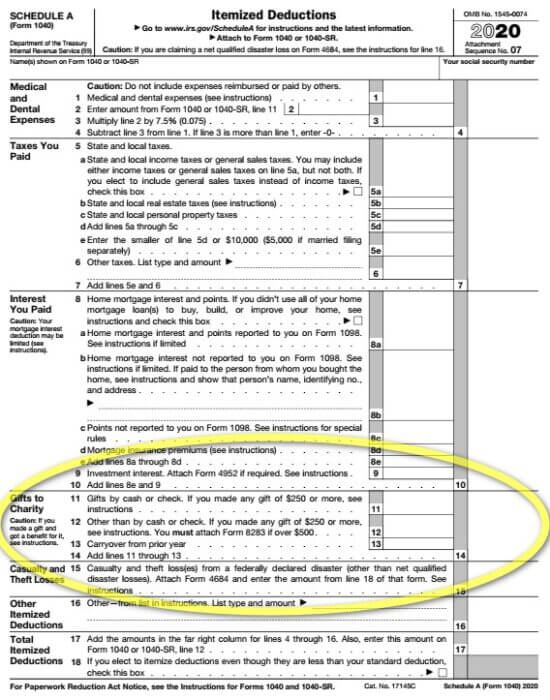
If you choose to itemize, use Schedule A of Form 1040 to list your itemized deductions, including your charitable contributions. Follow the instructions carefully and ensure that you are claiming your deductions accurately. If you are donating non-cash items valued over $500, you may need to file Form 8283, Noncash Charitable Contributions.
Be prepared to substantiate your deductions if you are audited by the IRS. Keep your documentation organized and readily available. If you are unsure about any aspect of claiming your charitable deduction, consult with a tax professional.
Remember, the IRS has specific rules and regulations regarding charitable deductions, so it's essential to stay informed and comply with all applicable laws. Don't hesitate to seek professional advice if you have any questions or concerns.
What Happens If You're Audited?
The prospect of an IRS audit can be daunting, but being prepared can ease the process. If you are audited and your charitable deductions are questioned, the IRS will request documentation to substantiate your claims. This is where meticulous record-keeping becomes crucial.
Provide the IRS with all the documentation you have, including receipts from the charities, written acknowledgments, appraisals for non-cash donations, and any other relevant paperwork. Explain your deductions clearly and concisely, and be prepared to answer any questions the IRS may have.
If you are unsure about how to respond to the IRS, consult with a tax professional. They can help you navigate the audit process and ensure that your rights are protected. It's important to remain calm and cooperative throughout the audit.
Remember, the IRS is simply trying to ensure that taxpayers are complying with the tax laws. By being prepared and providing accurate documentation, you can increase your chances of a successful audit.
A Listicle of Top Charitable Deduction Strategies
Here's a quick listicle of top strategies to maximize your charitable tax deductions:
- Donate to qualified 501(c)(3) organizations.
- Itemize deductions if they exceed the standard deduction.
- Bunch your donations to maximize itemized deductions.
- Donate appreciated assets instead of cash.
- Keep meticulous records of all donations.
- Consider setting up a donor-advised fund.
- Seek professional tax advice.
- Volunteer your time and skills to charities you care about.
- Be aware of the "quid pro quo" rule.
- Spread your donations throughout the year.
By implementing these strategies, you can make the most of your charitable giving and potentially reduce your tax liability. Remember, every dollar you save on taxes is a dollar that can be used to support the causes you believe in.
Question and Answer
Q: What is a qualified charity?
A: A qualified charity is an organization that has been approved by the IRS as tax-exempt under section 501(c)(3) of the Internal Revenue Code.
Q: Can I deduct the full value of anything I donate?
A: Generally, you can deduct the fair market value of donated property. However, there are specific guidelines for valuing these items, and clothing and household items must be in good or better condition to be deductible.
Q: What is the "quid pro quo" rule?
A: The "quid pro quo" rule states that you can only deduct the amount of your donation that exceeds the value of any benefit you receive in return.
Q: What is a donor-advised fund?
A: A donor-advised fund is a charitable investment account that allows you to make a tax-deductible contribution, grow the assets tax-free, and then recommend grants to qualified charities over time.
Conclusion of Charitable Tax Deductions: Give More, Pay Less in Taxes
Navigating charitable tax deductions can seem daunting, but by understanding the rules and implementing strategic giving techniques, you can make a significant impact while also potentially reducing your tax burden. From identifying qualified charities and itemizing deductions to exploring non-cash donations and donor-advised funds, there are numerous ways to maximize your giving potential. Remember the importance of meticulous record-keeping and professional advice to ensure compliance and optimize your tax benefits. Ultimately, charitable giving is about supporting causes you believe in, and with a little planning, you can make your generosity go even further.
Post a Comment