Norwegian Tax Optimization: Norway Tax Planning Guide
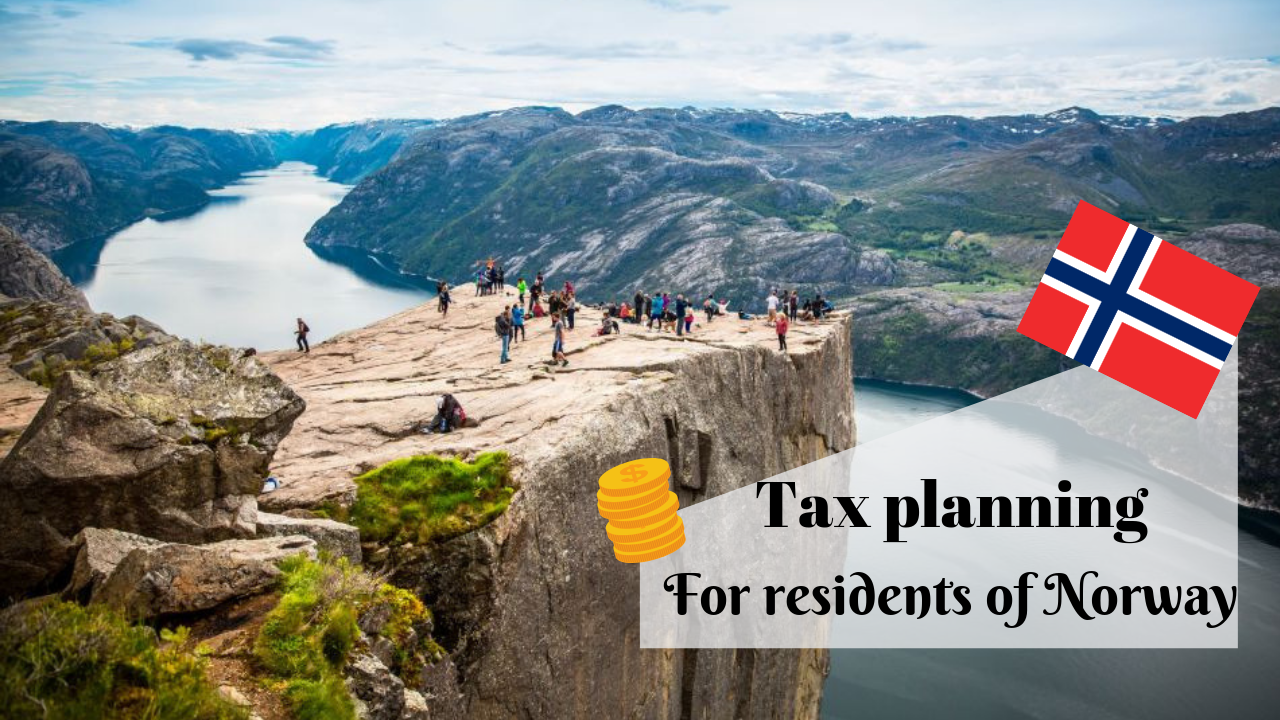
Navigating the intricacies of the Norwegian tax system can feel like trying to find your way through a dense, snow-covered forest. Are you sure you're maximizing your financial wellbeing while remaining compliant with the law?
Many people find themselves overwhelmed by the complexities of Norwegian tax regulations. They worry about paying more than they need to, missing out on valuable deductions, or even unintentionally running afoul of the rules. The sheer volume of information, combined with the ever-changing legal landscape, can lead to stress and uncertainty.
This guide aims to empower you with the knowledge and tools you need to navigate the Norwegian tax system effectively and legally. We'll explore various strategies for optimizing your tax situation, helping you keep more of your hard-earned money while ensuring full compliance.
In this guide, we will explore tax planning opportunities available to residents and non-residents in Norway. We'll delve into deductions, allowances, investment strategies, and business structuring, all with the goal of helping you make informed decisions and optimize your tax liability within the framework of Norwegian law. Get ready to discover how to navigate the Norwegian tax system with confidence!
Understanding Your Tax Residency Status
Knowing your tax residency is the foundation of any tax planning strategy. I remember when I first moved to Norway; it took me longer than I'd like to admit to figure out exactly where I stood. I assumed that because I was working here, I was automatically a tax resident. However, the rules are more nuanced than that. Residency isn't simply about where you live. Norway looks at factors like the length of your stay, whether you intend to reside permanently, and the location of your vital interests. If you spend more than 183 days in Norway during any 12-month period, or more than 270 days over a 36-month period, you're generally considered a tax resident. This status subjects you to tax on your worldwide income and assets. For non-residents, the tax liability is typically limited to income sourced from Norway. Understanding this distinction is critical, as it dictates which tax rules apply to you and what optimization strategies are relevant. Many people overlook the importance of correctly determining their tax residency, leading to potential overpayment of taxes or even compliance issues down the line. Consulting with a tax advisor can provide clarity and ensure you're on the right track.
Deductions and Allowances: Maximizing Your Tax Relief
The Norwegian tax system offers a variety of deductions and allowances that can significantly reduce your taxable income. These are essentially expenses that the government allows you to subtract from your gross income before calculating your tax liability. Common deductions include expenses related to work, such as commuting costs (within certain limits), professional association fees, and contributions to pension schemes. Homeowners can also deduct interest payments on their mortgage. However, it's crucial to keep meticulous records of all your expenses and understand the specific requirements for each deduction. The rules can be complex, and failing to meet the criteria can result in your deduction being disallowed. Furthermore, be aware that some deductions are subject to limitations or maximum amounts. Utilizing these deductions effectively requires careful planning and attention to detail. The government frequently updates the rules and regulations surrounding deductions, so staying informed is vital. Take the time to research and understand what you're eligible for; it could save you a substantial amount of money each year. Consider using a tax preparation software or consulting with a tax professional to ensure you're claiming all the deductions you're entitled to.
Investment Strategies for Tax Optimization
Investing wisely is about more than just generating returns; it's also about managing the tax implications of your investments. In Norway, capital gains and dividends are generally taxable, but there are strategies you can use to minimize your tax burden. One option is to invest through an Individual Savings Account (ISA), known as "Aksjesparekonto" (ASK) in Norwegian. This allows you to buy and sell shares and funds within the account without triggering immediate tax liabilities on capital gains. Tax is only payable when you withdraw funds from the ASK. Another strategy involves optimizing the timing of your investment transactions. For example, you might consider selling losing investments to offset capital gains from profitable investments, thus reducing your overall tax liability. Additionally, be mindful of the tax implications of different investment types. Certain investments, such as those held within pension schemes, may offer tax advantages compared to others. Understanding the tax rules governing different types of investments is essential for making informed decisions and maximizing your after-tax returns. Regularly review your investment portfolio with a tax advisor to ensure your strategy is aligned with your tax goals.
Business Structuring for Tax Efficiency
If you're running a business in Norway, the choice of business structure can have a significant impact on your tax liability. The most common business structures are sole proprietorships ("enkeltpersonforetak"), limited liability companies ("aksjeselskap"), and partnerships ("ansvarlig selskap"). Each structure has its own tax implications. For example, sole proprietorships are taxed directly on the owner's personal income, while limited liability companies are taxed separately as legal entities. This allows for more flexibility in terms of profit distribution and tax planning. Choosing the right structure depends on factors such as the size of your business, the level of risk you're willing to assume, and your long-term goals. A limited liability company may offer advantages in terms of tax deferral and access to certain tax deductions, but it also involves more administrative overhead. Before making a decision, carefully consider the pros and cons of each structure and seek professional advice from an accountant or tax advisor. Properly structuring your business can not only optimize your tax liability but also protect your personal assets from business liabilities.
Tax Planning for Expats in Norway
Expats often face unique tax challenges in Norway, stemming from their international income, assets, and tax residency status. Determining your tax residency correctly is the first crucial step. If you're considered a tax resident in Norway, you'll generally be subject to tax on your worldwide income. However, you may be eligible for certain tax treaties or exemptions that can mitigate double taxation. These treaties often specify which country has the right to tax certain types of income, such as employment income, pensions, or investment income. It's also essential to understand the reporting requirements for foreign income and assets. Failing to report this information can lead to penalties. Furthermore, be aware of any social security agreements between Norway and your home country, as these can affect your social security contributions and benefits. For expats, navigating the Norwegian tax system can be particularly complex. Seeking advice from a tax advisor specializing in international taxation is highly recommended. They can help you understand your rights and obligations, optimize your tax situation, and ensure you remain compliant with all relevant regulations. Staying informed about changes in tax laws and regulations is also crucial, as these can impact your tax planning strategies.
Tips for Effective Tax Planning in Norway
Effective tax planning involves a combination of knowledge, organization, and proactive decision-making. Firstly, keep meticulous records of all your income, expenses, and investments. This will make it much easier to prepare your tax return and claim all the deductions you're entitled to. Secondly, familiarize yourself with the Norwegian tax laws and regulations. The Norwegian Tax Administration (Skatteetaten) provides a wealth of information on its website, including guides, FAQs, and tax calculators. Thirdly, don't hesitate to seek professional advice from a tax advisor. A qualified advisor can provide personalized guidance tailored to your specific circumstances. They can help you identify tax planning opportunities you might otherwise miss and ensure you're compliant with all relevant regulations. Fourthly, review your tax situation regularly, especially when there are significant changes in your life, such as a new job, a marriage, or a move to Norway. Finally, be aware of deadlines and file your tax return on time to avoid penalties. By following these tips, you can take control of your tax situation and optimize your tax liability within the framework of Norwegian law. Remember that tax planning is an ongoing process, not a one-time event.
Understanding the Wealth Tax in Norway
Norway levies a wealth tax on individuals with net assets exceeding a certain threshold. This tax applies to both residents and non-residents who own assets located in Norway. The taxable base includes a wide range of assets, such as real estate, stocks, bonds, bank accounts, and business interests. Certain assets, such as personal belongings and retirement savings (within certain limits), may be exempt. The wealth tax rate is relatively low compared to other taxes, but it can still add up for individuals with significant assets. The valuation of assets for wealth tax purposes can be complex, particularly for real estate and business interests. It's crucial to ensure that your assets are properly valued to avoid overpaying tax. One strategy for mitigating wealth tax is to reduce your taxable assets by making gifts to family members or charitable organizations. However, be aware of the gift tax rules, as these may apply to larger gifts. Another strategy is to invest in assets that are exempt from wealth tax, such as certain types of insurance policies. Understanding the wealth tax rules and planning accordingly can help you minimize your tax burden and preserve your wealth. Consulting with a tax advisor is recommended to ensure you're taking advantage of all available strategies.
Fun Facts About the Norwegian Tax System
Did you know that Norway has one of the highest tax rates in the world? But it's not all bad news! The high tax revenue is used to fund a comprehensive welfare state, providing citizens with access to free healthcare, education, and other social benefits. Another interesting fact is that Norway's tax system is highly progressive, meaning that those with higher incomes pay a larger percentage of their income in taxes. This is intended to promote income equality and ensure that everyone contributes to the common good. Also, Norway has a unique system of pre-filled tax returns. The tax authorities automatically fill in much of the information on your tax return based on data they receive from employers, banks, and other institutions. This makes it easier for taxpayers to file their returns and reduces the risk of errors. However, it's still important to review the pre-filled information carefully and make any necessary corrections. Finally, Norway has a strong culture of tax compliance. Most Norwegians believe that paying taxes is a civic duty and are willing to contribute their fair share to society. This high level of compliance helps to ensure that the welfare state is sustainable and that everyone benefits from the services it provides.
How to Plan for Norwegian Taxes
Planning for Norwegian taxes involves several key steps. Start by understanding your tax residency status, as this will determine which tax rules apply to you. Next, gather all the necessary documents, such as income statements, expense receipts, and investment records. Familiarize yourself with the available deductions and allowances, and ensure you're claiming all the ones you're entitled to. Consider using a tax preparation software or consulting with a tax advisor to help you navigate the complexities of the tax system. Pay attention to deadlines and file your tax return on time to avoid penalties. If you're self-employed or running a business, carefully consider the choice of business structure, as this can have a significant impact on your tax liability. Regularly review your tax situation and make adjustments as needed. Tax planning is an ongoing process, not a one-time event. Stay informed about changes in tax laws and regulations, as these can affect your tax planning strategies. By following these steps, you can take control of your tax situation and optimize your tax liability within the framework of Norwegian law.
What if You Don't Plan for Norwegian Taxes?
Failing to plan for Norwegian taxes can have serious consequences. You might end up paying more taxes than you need to, missing out on valuable deductions, or even running afoul of the law. Unintentional errors or omissions on your tax return can result in penalties and interest charges. In more serious cases, tax evasion can lead to criminal prosecution. Furthermore, neglecting your tax obligations can damage your credit rating and make it difficult to obtain loans or mortgages in the future. It's important to take your tax responsibilities seriously and plan accordingly. Even if you find the tax system complex or confusing, there are resources available to help you. Don't hesitate to seek professional advice from a tax advisor or utilize tax preparation software. Remember that ignorance of the law is not an excuse. By taking proactive steps to plan for your taxes, you can avoid potential problems and ensure you're meeting your obligations.
Listicle of Tax Optimization Strategies in Norway
Here's a quick list of tax optimization strategies in Norway:
- Maximize deductions: Claim all eligible deductions, such as commuting expenses, professional association fees, and mortgage interest.
- Utilize ISAs: Invest through an Individual Savings Account (ASK) to defer capital gains taxes.
- Optimize investment timing: Sell losing investments to offset capital gains.
- Choose the right business structure: Select a business structure that minimizes your tax liability.
- Take advantage of tax treaties: If you're an expat, explore tax treaty benefits.
- Plan for wealth tax: Minimize your taxable assets by making gifts or investing in exempt assets.
- Contribute to pension schemes: Contributions to approved pension schemes are often tax-deductible.
- Review your tax situation regularly: Stay informed about changes in tax laws and regulations.
- Seek professional advice: Consult with a tax advisor for personalized guidance.
- Keep meticulous records: Maintain accurate records of all income, expenses, and investments.
Question and Answer
Q: What is the wealth tax in Norway?
A: The wealth tax is an annual tax levied on the net value of an individual's assets exceeding a certain threshold. It includes assets like real estate, stocks, and bank accounts.
Q: Are there any tax advantages to investing in a specific type of account?
A: Yes, investing through an Individual Savings Account (ASK) allows you to defer capital gains taxes until you withdraw the funds.
Q: Can I deduct my commuting expenses in Norway?
A: Yes, you can deduct commuting expenses, but there are certain limitations and requirements you need to meet.
Q: As an expat, how do I determine my tax residency status in Norway?
A: Generally, if you spend more than 183 days in Norway during any 12-month period, or more than 270 days over a 36-month period, you're considered a tax resident.
Conclusion of Norwegian Tax Optimization: Norway Tax Planning Guide
Navigating the Norwegian tax system effectively requires knowledge, planning, and a proactive approach. By understanding your tax residency status, maximizing deductions, optimizing investment strategies, and choosing the right business structure, you can minimize your tax liability and ensure compliance with the law. Whether you're a resident, a non-resident, or an expat, the information in this guide can help you make informed decisions and achieve your financial goals. Remember to stay informed about changes in tax laws and regulations and seek professional advice when needed. Take control of your tax situation and enjoy the benefits of effective tax planning in Norway!
Post a Comment