Temporary Worker Tax Planning: Contract Employment Guide
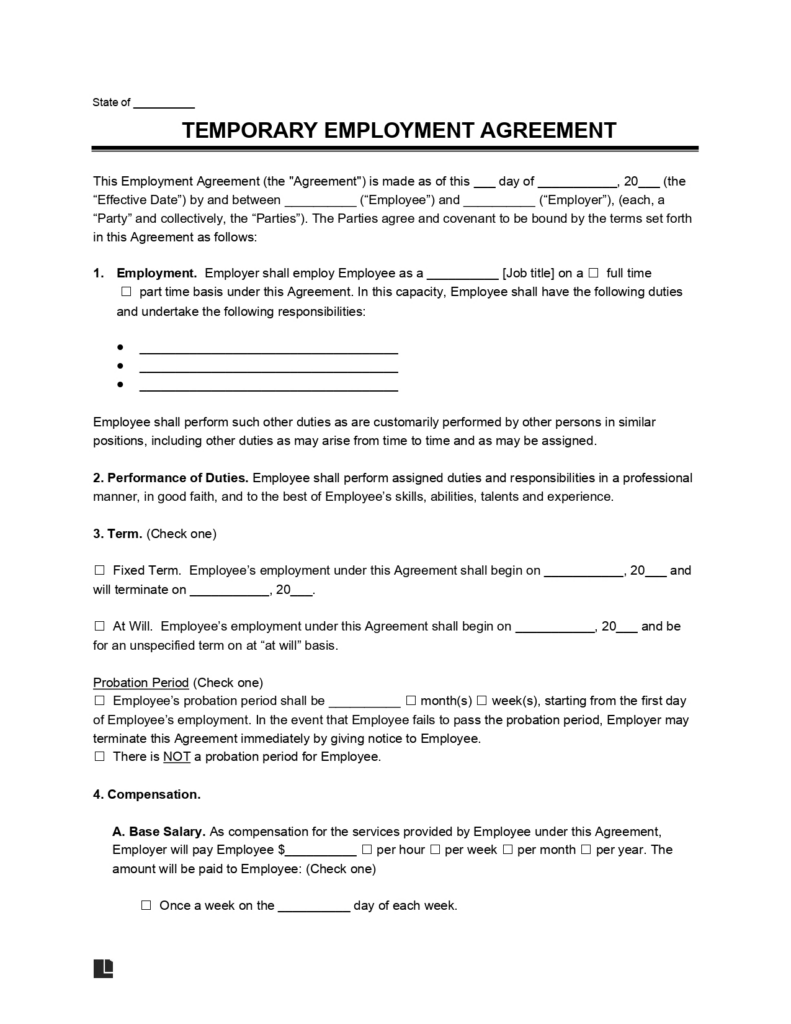
Navigating the world of temporary work can feel like sailing uncharted waters, especially when tax season rolls around. Are you a contract employee feeling lost in a sea of 1099s and deductions? You're not alone!
Many temporary workers and contractors find themselves grappling with confusing tax forms, uncertain about which expenses they can deduct, and worried about owing a hefty sum to the IRS come April. The lack of clear guidance can lead to overpaying taxes, missing out on valuable deductions, or even facing penalties for unintentional errors.
This guide is designed to provide temporary workers and contract employees with a clear understanding of their tax obligations and opportunities. We'll walk you through everything you need to know to navigate the tax landscape confidently, from understanding your tax forms to maximizing your deductions and avoiding common pitfalls.
In this comprehensive guide, we'll explore the nuances of contract employment taxes, including understanding 1099 forms, identifying deductible expenses, utilizing tax-advantaged accounts, and planning for estimated taxes. We will also discuss common myths and hidden secrets related to temporary worker tax planning, provide practical tips and recommendations, and answer frequently asked questions to empower you to take control of your tax situation.
Understanding Your 1099 Form
The 1099 form is the cornerstone of your tax life as a contract worker. It reports the income you've earned during the year, and it's crucial to understand what it represents. I remember my first year as a freelancer, staring blankly at the 1099-NEC, unsure of what to do with it. It felt like a foreign language! I soon learned that it was simply a record of the payments I had received and that the IRS had also received a copy.
The 1099-NEC (Nonemployee Compensation) form, specifically, is used to report payments of $600 or more made to someone who is not an employee. It includes your name, address, and taxpayer identification number (TIN), along with the total amount you were paid. The most important part is verifying that the information on the 1099 is accurate. If you spot any errors, contact the payer immediately to request a corrected form. Keep a copy of all your 1099 forms, as they'll be essential when you file your taxes. This form is different from the W-2 form, which is used for employees.
Familiarizing yourself with the 1099 form is the first step in managing your taxes effectively. Remember, this form is the IRS's primary way of tracking your income, so it's vital to ensure accuracy and keep good records. Understanding the implications of your 1099 income also helps you prepare for estimated taxes and plan for deductions, ultimately leading to a smoother tax season.
Identifying Deductible Expenses
One of the biggest advantages of being a contract worker is the ability to deduct business expenses, which can significantly reduce your taxable income. These deductions can cover a wide range of costs related to your work, from office supplies to home office expenses.
What constitutes a deductible expense? Generally, it's anything that is "ordinary and necessary" for your business. This can include things like office supplies, software, internet and phone bills, professional development courses, and even a portion of your home if you use it exclusively for work. Keeping meticulous records is key to maximizing these deductions. Use accounting software or even a simple spreadsheet to track all your expenses throughout the year. Save receipts and invoices as proof of purchase.
Don't be afraid to explore different categories of deductions to see what applies to your situation. You might be surprised at what you can deduct! For example, if you use your car for business purposes, you can deduct the actual expenses of operating your vehicle (gas, maintenance, insurance) or take the standard mileage rate deduction. The key is to keep accurate records and consult with a tax professional if you're unsure about whether an expense is deductible.
Myths and Realities of Contract Worker Taxes
Many myths surround the tax obligations of contract workers, leading to confusion and potentially costly mistakes. One common myth is that you don't have to pay taxes if you don't receive a 1099. This is simply not true. Even if you don't receive a 1099, you're still responsible for reporting all income you earn, regardless of the amount. Another myth is that you can only deduct expenses if you have a formal business entity. While incorporating your business can offer certain advantages, you can still deduct business expenses as a sole proprietor.
It's also important to understand the difference between being an employee and an independent contractor. Employers withhold taxes from employee paychecks, while contractors are responsible for paying their own self-employment taxes. This includes Social Security and Medicare taxes, which are typically split between the employer and employee but are entirely the responsibility of the contractor.
Don't let these myths deter you from taking advantage of the benefits of contract work. With accurate information and careful planning, you can navigate the tax landscape with confidence and avoid common pitfalls. Educate yourself, keep good records, and consult with a tax professional when needed to ensure you're meeting your obligations and maximizing your deductions.
The Hidden Secret: Estimated Taxes
One of the biggest surprises for new contract workers is the requirement to pay estimated taxes. Unlike traditional employees who have taxes withheld from each paycheck, contract workers are responsible for paying their income taxes and self-employment taxes throughout the year. This is done through estimated tax payments, typically made quarterly.
Calculating your estimated taxes can seem daunting, but it's essential to avoid penalties. The IRS provides worksheets and online tools to help you estimate your tax liability for the year. You'll need to estimate your income, deductions, and credits to arrive at an estimated tax amount. Pay your estimated taxes on time to avoid penalties. The IRS typically assesses penalties for underpayment, so it's better to overestimate than underestimate.
Remember, estimated taxes are not a one-size-fits-all solution. Your income and deductions may fluctuate throughout the year, so it's important to adjust your estimated tax payments accordingly. If you experience a significant change in income, such as landing a large contract or incurring unexpected expenses, you may need to adjust your payments to avoid underpayment penalties. Regular tax planning and adjustments can help you stay on track and avoid surprises at tax time.
Recommendations for Effective Tax Planning
Effective tax planning is essential for contract workers to minimize their tax liability and avoid unpleasant surprises. Start by creating a budget and tracking your income and expenses throughout the year. This will give you a clear picture of your financial situation and help you estimate your tax liability accurately.
Consider using accounting software or hiring a bookkeeper to help you manage your finances and track your expenses. These tools can automate many of the tasks involved in tax planning, such as categorizing expenses, generating reports, and calculating estimated taxes. Regular reviews of your financial records can help you identify potential deductions and plan for future tax obligations.
Consult with a tax professional to get personalized advice and guidance. A qualified tax advisor can help you navigate the complex tax laws and identify strategies to minimize your tax liability. They can also assist you with tax planning, estimated tax payments, and filing your tax return. Don't wait until the last minute to seek professional advice. Start planning early in the year to maximize your tax savings.
Understanding Self-Employment Tax
Self-employment tax is something that every contract worker needs to understand intimately. It's essentially the Social Security and Medicare taxes that are normally split between an employer and employee. However, as a self-employed individual, you're responsible for paying both portions. This can come as a shock to those new to contract work, as it significantly increases the amount of taxes you owe.
Self-employment tax is calculated based on 92.35% of your net earnings from self-employment. The current self-employment tax rate is
15.3% (12.4% for Social Security and
2.9% for Medicare). You'll need to factor this into your estimated tax payments to avoid underpayment penalties. Fortunately, you can deduct one-half of your self-employment tax from your gross income. This deduction can help offset the impact of self-employment tax on your overall tax liability.
Planning for self-employment tax is crucial for managing your finances effectively. By understanding how it's calculated and incorporating it into your budget and estimated tax payments, you can avoid surprises and ensure you're meeting your tax obligations. Consider setting aside a portion of each payment you receive to cover your self-employment tax liability. This will help you avoid scrambling for funds when it's time to pay your estimated taxes.
Tips for Maximizing Deductions
Maximizing your deductions is one of the best ways to reduce your tax liability as a contract worker. Take advantage of all the deductions available to you, and keep meticulous records to support your claims. Here are a few tips to help you maximize your deductions.
Firstly, understand the home office deduction. If you use a portion of your home exclusively for business purposes, you can deduct expenses related to that space. This includes things like rent or mortgage interest, utilities, insurance, and depreciation. Secondly, track your vehicle expenses. If you use your car for business purposes, you can deduct the actual expenses of operating your vehicle (gas, maintenance, insurance) or take the standard mileage rate deduction.
Thirdly, don't forget about education expenses. If you take courses or attend conferences that are directly related to your work, you can deduct these expenses. Remember to keep records of all your deductions. Save receipts, invoices, and other documentation to support your claims in case of an audit. Regular reviews of your deductions can help you identify any missed opportunities and ensure you're taking advantage of all the deductions available to you.
Understanding Tax-Advantaged Accounts
Tax-advantaged accounts can be powerful tools for reducing your taxable income and saving for retirement as a contract worker. These accounts offer various tax benefits, such as tax-deductible contributions, tax-deferred growth, and tax-free withdrawals. One popular option is the Solo 401(k), which allows you to contribute both as an employee and as an employer.
Another option is the Simplified Employee Pension (SEP) IRA, which is easier to set up and administer than a Solo 401(k). With a SEP IRA, you can contribute up to 20% of your net self-employment income, up to a certain limit. Consider a Health Savings Account (HSA). If you have a high-deductible health insurance plan, you can contribute to an HSA and deduct those contributions from your taxable income.
Choosing the right tax-advantaged account depends on your individual circumstances and financial goals. Consider consulting with a financial advisor to determine the best option for you. By taking advantage of tax-advantaged accounts, you can reduce your tax liability and build a more secure financial future.
Fun Facts About Contract Worker Taxes
Did you know that the self-employment tax rate is higher than the employee portion of Social Security and Medicare taxes? This is because contract workers are responsible for paying both the employer and employee portions of these taxes. Another fun fact is that the home office deduction can be taken even if you rent your home. As long as you use a portion of your home exclusively for business purposes, you can deduct a portion of your rent.
It's also interesting to note that the standard mileage rate for business use changes periodically. The IRS adjusts the rate annually to reflect changes in the cost of operating a vehicle. Be sure to check the current rate before calculating your vehicle expense deduction. Many people don't realize that you can deduct the cost of health insurance premiums as a self-employed individual.
Understanding these fun facts can help you better appreciate the nuances of contract worker taxes. By staying informed and exploring all the deductions and tax benefits available to you, you can minimize your tax liability and maximize your financial well-being. Remember, tax planning doesn't have to be a chore. It can be a fun and rewarding way to take control of your finances and achieve your goals.
How to Prepare for Tax Season
Preparing for tax season as a contract worker involves gathering all your necessary documents, organizing your financial records, and reviewing your tax situation. Start by collecting all your 1099 forms, receipts, invoices, and other documentation related to your income and expenses. Use accounting software or a spreadsheet to organize your financial records and track your income and expenses throughout the year.
Review your tax situation and identify any potential deductions or credits that you may be eligible for. Consider using tax preparation software or hiring a tax professional to help you prepare and file your tax return. These tools can guide you through the tax preparation process, identify potential errors, and ensure you're taking advantage of all the deductions and credits available to you.
File your tax return on time to avoid penalties. The tax deadline is typically April 15th, but you can request an extension if you need more time. Pay your taxes on time to avoid interest and penalties. If you're unable to pay your taxes in full, you can explore options such as an installment agreement or an offer in compromise. By taking these steps, you can minimize stress and ensure a smooth tax season.
What If You Make a Mistake?
Everyone makes mistakes, and tax errors are not uncommon. If you discover an error on your tax return, don't panic. The IRS provides procedures for correcting errors and filing amended returns. The first step is to identify the error and gather the necessary documentation to support your correction. You'll need to file an amended tax return using Form 1040-X, Amended U.S. Individual Income Tax Return.
Provide a clear explanation of the error and the corrections you're making. Include any supporting documentation, such as corrected 1099 forms or receipts. File your amended return as soon as possible to minimize any interest or penalties. If you're unsure about how to correct an error or file an amended return, consult with a tax professional for assistance.
Remember, honesty and transparency are key when dealing with the IRS. If you make a mistake, it's better to come forward and correct it than to try to hide it. The IRS is generally understanding of unintentional errors and will work with you to resolve the issue. By taking prompt action and following the proper procedures, you can minimize the consequences of a tax error and maintain a good relationship with the IRS.
Listicle: Top 5 Tax Tips for Contract Workers
Navigating taxes as a contract worker can be tricky. Here are five essential tips to help you stay on top of your tax game.
1. Track Everything: Keep meticulous records of all income and expenses. Use accounting software or a simple spreadsheet to stay organized.
2. Pay Estimated Taxes: Make quarterly estimated tax payments to avoid penalties. The IRS provides worksheets and online tools to help you estimate your tax liability.
3. Maximize Deductions: Take advantage of all available deductions, such as home office expenses, vehicle expenses, and education expenses.
4. Utilize Tax-Advantaged Accounts: Contribute to tax-advantaged accounts like Solo 401(k)s or SEP IRAs to reduce your taxable income and save for retirement.
5. Seek Professional Advice: Consult with a tax professional for personalized guidance and support. A qualified advisor can help you navigate the complex tax laws and identify strategies to minimize your tax liability.
Question and Answer
Here are some frequently asked questions about contract worker taxes:
Q: What is a 1099 form, and how does it affect my taxes?
A: A 1099 form reports the income you've earned as a contract worker. You'll need to report this income on your tax return and pay self-employment taxes on it.
Q: Can I deduct my home office expenses?
A: Yes, if you use a portion of your home exclusively for business purposes, you can deduct expenses related to that space, such as rent or mortgage interest, utilities, and insurance.
Q: How do I pay estimated taxes?
A: You can pay estimated taxes quarterly through the IRS website or by mail. The IRS provides worksheets and online tools to help you calculate your estimated tax liability.
Q: What happens if I don't pay my estimated taxes on time?
A: The IRS may assess penalties for underpayment of estimated taxes. It's important to pay your estimated taxes on time to avoid these penalties.
Conclusion of Temporary Worker Tax Planning: Contract Employment Guide
Mastering tax planning as a temporary worker or contract employee doesn't have to be a daunting task. By understanding your tax obligations, maximizing your deductions, and planning for estimated taxes, you can navigate the tax landscape with confidence and minimize your tax liability. Remember to keep accurate records, seek professional advice when needed, and stay informed about the latest tax laws and regulations. With the right knowledge and strategies, you can take control of your taxes and achieve your financial goals.
Post a Comment