Vatican Tax System: Unique Ecclesiastical Planning
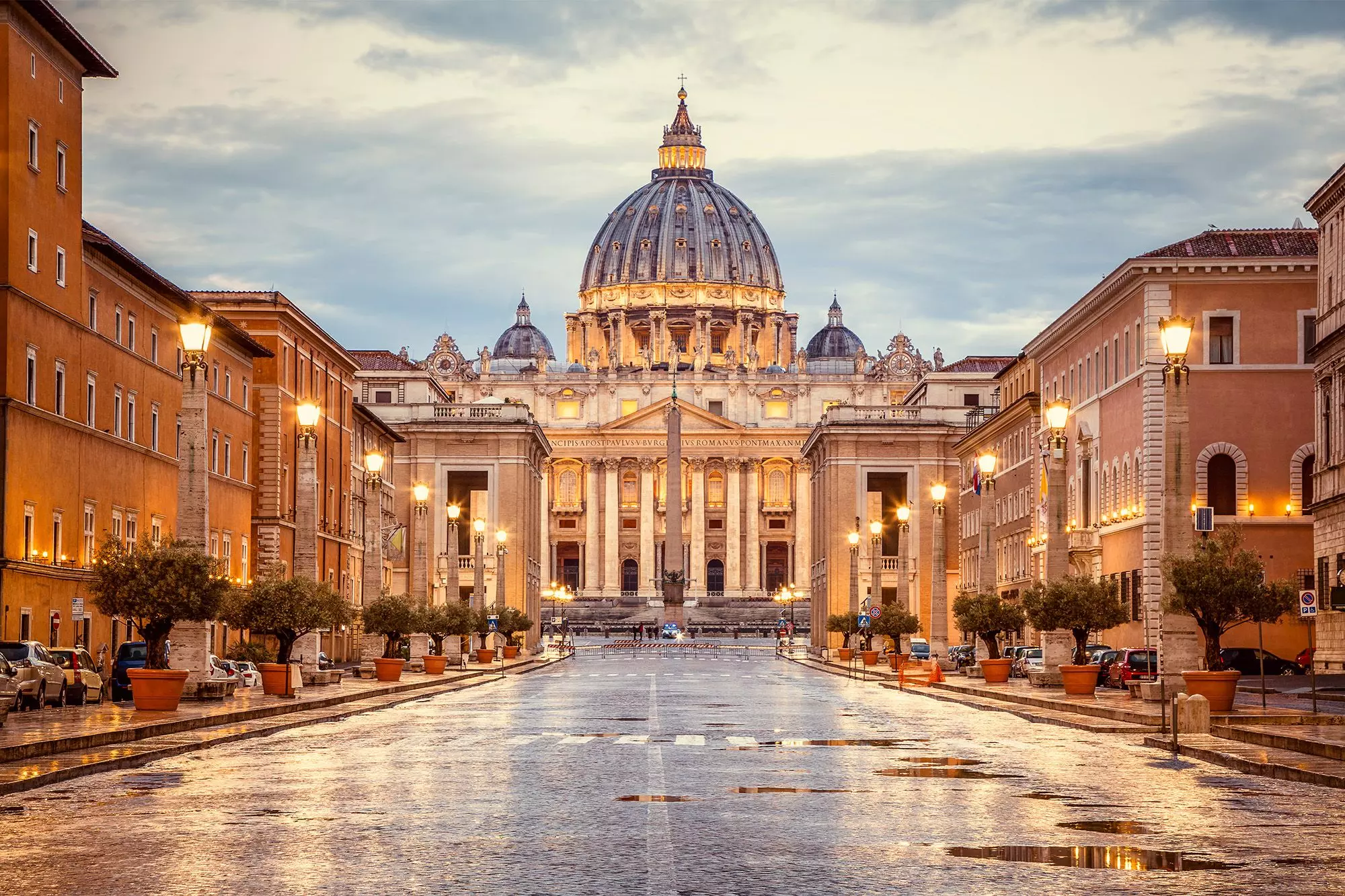
Ever wondered how a sovereign city-state nestled within Rome manages its finances? The Vatican City, home to the Pope and the heart of the Catholic Church, operates under a unique financial system, and its tax structure is a fascinating blend of religious tradition, international agreements, and practical governance. It's a world away from your average tax return, that's for sure.
Navigating the intricacies of international finance and sovereignty is never simple, and when religious institutions are involved, the complexities often multiply. Many find themselves struggling to understand how the Vatican funds its operations, maintains its historic buildings, and supports its charitable works globally.
This article aims to shed light on the Vatican's tax system, exploring its sources of revenue, its expenditures, and the unique characteristics that set it apart from other nations. We'll delve into the agreements that govern its financial relationships with Italy and the wider world, offering a clearer picture of how this independent state manages its economic affairs.
In essence, the Vatican's financial structure relies on a combination of investment income, donations from Catholics worldwide (Peter's Pence), revenue from its museums and publishing house, and contributions from the Institute for the Works of Religion (IOR), often referred to as the Vatican Bank. Its spending focuses on maintaining Vatican City, supporting the Roman Curia (the administrative apparatus of the Holy See), and funding charitable and missionary activities across the globe. Understanding these factors is key to grasping the unique nature of the Vatican's financial planning.
Peter's Pence: A Global Collection
I remember first hearing about Peter's Pence as a child, seeing collection plates passed around during Mass with an explanation that the funds would go directly to the Pope to support his charitable works. It always struck me as a direct line of support, a tangible way for Catholics across the globe to contribute to the Church's mission. Thinking back, it sparked a curiosity about how those funds were managed and distributed. Peter’s Pence is essentially a voluntary collection taken up in Catholic churches worldwide, typically around the Feast of Saints Peter and Paul (June 29th). It's one of the oldest forms of papal revenue, dating back centuries. The purpose is to provide the Pope with the financial means to respond to emergency and humanitarian needs, support the Holy See’s activities, and aid the neediest.
The funds collected are used to finance a variety of initiatives, including disaster relief, support for refugees and migrants, and assistance to impoverished communities. The Vatican provides regular updates on how Peter's Pence is utilized, highlighting the specific projects and organizations that have benefited from these donations. Transparency in the management of Peter's Pence has been a focus in recent years, with efforts to ensure accountability and responsible stewardship of these funds. It plays a critical role in enabling the Pope to fulfill his mission of charity and solidarity, acting as a direct link between the faithful and those in need across the world.
The Institute for the Works of Religion (IOR): The Vatican Bank
The IOR, often referred to as the Vatican Bank, is the financial institution responsible for managing the assets of the Holy See and Catholic religious orders. It is not a traditional bank in the sense of offering services to the general public, but rather focuses on providing financial services to Vatican employees, religious orders, and other Catholic institutions. The IOR's primary purpose is to facilitate the management of funds and investments for the Church. It handles a wide range of financial transactions, including deposits, investments, and transfers of funds. The IOR has been subject to scrutiny and reform efforts in recent years, aimed at increasing transparency and accountability.
The reforms have included strengthening its anti-money laundering controls, enhancing its governance structure, and increasing cooperation with international financial regulators. While the IOR generates revenue through its investment activities, its profits are primarily used to support the Church's mission and charitable works. It is an important component of the Vatican's financial system, playing a critical role in managing the assets of the Holy See and supporting its global activities. The Vatican Bank's structure and operations are unique, reflecting its specific purpose and its role within the broader context of the Catholic Church.
Historical Context and Myths Surrounding Vatican Finances
The Vatican's financial history is intertwined with the history of the papacy itself. Over centuries, the Church accumulated wealth through donations, land holdings, and other forms of revenue. The Papal States, which once encompassed a significant portion of central Italy, provided a substantial source of income. However, the loss of the Papal States in the 19th century led to a period of financial uncertainty for the Church. The Lateran Treaty of 1929, which established Vatican City as an independent state, also included financial provisions to compensate the Church for its losses.
Myths often surround the Vatican's finances, with some portraying it as an immensely wealthy institution with vast hidden assets. While the Vatican does possess significant assets, much of these are tied to its cultural heritage, including priceless works of art and historic buildings. Maintaining these assets requires considerable expense. Moreover, the Vatican's finances are primarily directed towards supporting its religious mission, charitable activities, and the administration of the Church. While transparency has been an ongoing concern, the Vatican has taken steps to improve its financial reporting and oversight. Separating fact from fiction is crucial when understanding the complexities of the Vatican's finances. It’s important to recognize that the Church's financial resources are ultimately intended to serve its religious and humanitarian goals.
Unveiling Hidden Secrets: Transparency and Reform Efforts
For decades, the Vatican's financial operations were shrouded in secrecy, fueling speculation and controversy. However, in recent years, there has been a growing push for greater transparency and accountability. Pope Francis has been a strong advocate for financial reform, implementing new regulations and establishing independent oversight bodies. These efforts aim to combat corruption, prevent money laundering, and ensure responsible financial management. One of the key steps towards transparency has been the publication of the Vatican's financial statements, providing a clearer picture of its revenues and expenditures.
The Vatican has also strengthened its cooperation with international financial regulators, sharing information and adhering to global standards. Despite these reforms, challenges remain. The Vatican's unique legal status and its complex network of financial relationships can make oversight difficult. However, the ongoing commitment to transparency and accountability represents a significant shift towards greater openness in the Vatican's financial affairs. These efforts are essential for maintaining the Church's credibility and ensuring that its resources are used effectively to fulfill its mission. The Vatican is working to ensure that its financial operations are in line with best practices and ethical principles.
Recommendations for Improved Financial Stewardship
To further enhance its financial stewardship, the Vatican could consider several recommendations. Strengthening internal controls and risk management practices is crucial. This includes implementing robust anti-money laundering procedures, improving oversight of investments, and ensuring compliance with international financial regulations. Increased transparency is also essential. The Vatican could provide more detailed information about its financial operations, including its investment portfolio and its charitable giving. Engaging external auditors to conduct independent reviews of its finances would also enhance credibility.
Another recommendation is to diversify its revenue sources. While donations from Catholics remain a significant source of income, the Vatican could explore other avenues, such as expanding its cultural tourism offerings or developing new investment strategies. Ultimately, the goal is to ensure that the Vatican's financial resources are managed effectively and ethically, supporting its mission and promoting the common good. By embracing best practices in financial management and demonstrating a commitment to transparency, the Vatican can strengthen its reputation and maintain the trust of the faithful.
The Role of the Governatorate of Vatican City State
The Governatorate of Vatican City State functions much like a municipal government, overseeing the daily operations and infrastructure of the Vatican City. This includes maintaining its buildings, roads, and gardens, as well as providing essential services such as security, utilities, and healthcare. The Governatorate's financial resources come from various sources, including revenue from the Vatican Museums, the sale of postage stamps and souvenirs, and contributions from the Holy See. A significant portion of its budget is dedicated to preserving the Vatican's historical and artistic heritage.
The Governatorate also plays a role in managing the Vatican's real estate holdings, both within Vatican City and in other parts of Rome. These properties generate income that helps to support the Governatorate's activities. The Governatorate's financial management is overseen by a series of committees and councils, ensuring accountability and responsible stewardship of funds. Its operations are essential for maintaining the Vatican City as a functioning and sustainable state, providing a secure and well-maintained environment for the Pope, Vatican employees, and visitors. The Governatorate's work is often unseen, but it is vital for the smooth operation of the Vatican City.
Tips for Understanding Vatican Financial Reporting
Navigating the Vatican's financial reports can be challenging, but there are a few tips that can help. First, it's important to understand the distinction between the Holy See and Vatican City State. The Holy See refers to the central government of the Catholic Church, while Vatican City State is the independent territory where the Holy See is located. The Holy See's financial reports cover the activities of the Roman Curia, the various departments and offices that assist the Pope in governing the Church.
Vatican City State's financial reports focus on the operations of the Governatorate, which is responsible for managing the city's infrastructure and services. When reviewing these reports, pay attention to the different revenue streams, such as donations, investment income, and revenue from cultural activities. Also, consider the various expenses, including personnel costs, charitable giving, and the maintenance of historical sites. Understanding the accounting principles used by the Vatican is also helpful. The Vatican has adopted international accounting standards, but there may be some differences in how they are applied. Finally, remember that the Vatican's finances are ultimately directed towards supporting its religious mission and charitable activities.
The Impact of Papal Encyclicals on Financial Policy
Papal encyclicals, which are authoritative letters issued by the Pope, often address social and economic issues, providing guidance for Catholics on how to live their faith in the world. These encyclicals can have a significant impact on the Vatican's financial policies and priorities. For example, Pope Francis's encyclical "Laudato Si'," which focuses on environmental stewardship, has influenced the Vatican's efforts to promote sustainable practices and invest in renewable energy. Similarly, encyclicals that address poverty and inequality have shaped the Vatican's charitable giving and its advocacy for social justice.
The Vatican's financial decisions are often guided by the principles outlined in these encyclicals, reflecting the Church's commitment to promoting human dignity and the common good. The encyclicals provide a moral framework for financial decision-making, ensuring that the Vatican's resources are used in a way that is consistent with its religious mission. The impact of papal encyclicals on financial policy is an ongoing process, as the Church continues to grapple with the challenges of a rapidly changing world. The Church strives to align its financial practices with its teachings, ensuring that its resources are used to promote a more just and sustainable world.
Fun Facts About the Vatican's Financial System
Did you know that the Vatican has its own euro coins? While Vatican City is not a member of the European Union, it has an agreement with Italy to use the euro as its currency. The Vatican euro coins feature images of the Pope and are highly sought after by collectors. Another fun fact is that the Vatican Museums are a major source of revenue for the Holy See. Millions of tourists visit the Vatican Museums each year to see masterpieces such as the Sistine Chapel and the Raphael Rooms.
The Vatican also owns a significant amount of real estate, both within Vatican City and in other parts of Rome. These properties generate income that helps to support the Vatican's activities. The Vatican's financial system is also unique in that it is not subject to the same regulations as other countries. However, the Vatican has taken steps to align its financial practices with international standards, particularly in the area of anti-money laundering. The Vatican's financial system is a fascinating blend of tradition and modernity, reflecting its unique status as a sovereign state and the center of the Catholic Church.
How to Contribute to the Vatican's Finances
If you're interested in supporting the Vatican's mission, there are several ways to contribute financially. The most common way is through Peter's Pence, the annual collection taken up in Catholic churches worldwide. These donations go directly to the Pope to support his charitable works. You can also make a direct donation to the Holy See through its official website. The website provides information on how to donate online, by mail, or by bank transfer.
Another way to support the Vatican is by visiting the Vatican Museums. The revenue generated from ticket sales helps to fund the maintenance of the museums and the preservation of their artistic treasures. You can also purchase Vatican euro coins or other souvenirs, which contribute to the Vatican's revenue. If you are a member of a Catholic religious order or organization, you can explore ways to support the Vatican through your institution. Ultimately, any financial support you provide to the Vatican helps to sustain its mission of spreading the Gospel, promoting social justice, and providing charitable assistance to those in need.
What If the Vatican Faced a Financial Crisis?
A financial crisis at the Vatican could have significant implications for the Catholic Church and its global activities. The Church relies on its financial resources to support its religious mission, charitable works, and administrative operations. A financial crisis could force the Vatican to cut back on these activities, potentially impacting its ability to provide assistance to the poor and vulnerable, maintain its historical sites, and support its clergy. The Vatican's financial stability is also important for its credibility and its ability to influence global affairs.
A financial crisis could undermine the Church's reputation and weaken its ability to advocate for its values on the world stage. In the event of a financial crisis, the Vatican would likely take a number of steps to address the situation, including cutting expenses, selling assets, and seeking donations from its supporters. The Vatican might also need to implement structural reforms to improve its financial management and oversight. The long-term impact of a financial crisis would depend on the severity of the situation and the effectiveness of the measures taken to address it. However, it is clear that financial stability is essential for the Vatican to fulfill its mission and maintain its position as a global leader.
Listicle: 5 Key Aspects of the Vatican's Tax System
Here are five key aspects to understanding the Vatican's unique financial landscape:
1.Peter's Pence: A global collection directly supporting the Pope's charitable endeavors.
2.The IOR (Vatican Bank): An institution serving the financial needs of the Holy See and religious orders.
3.Museum Revenue: A significant source of income derived from millions of annual visitors.
4.Real Estate Holdings: Properties both within and outside Vatican City contributing to overall revenue.
5.Tax Exemptions: Agreements, particularly with Italy, impacting its tax obligations.
Question and Answer
Question 1: Is the Vatican subject to Italian taxes?
Answer: The Vatican City is generally exempt from Italian taxes due to agreements established in the Lateran Treaty of 1929. However, there are specific agreements outlining which activities are subject to taxation.
Question 2: How does the Vatican ensure transparency in its financial dealings?
Answer: In recent years, the Vatican has made strides to increase transparency, including publishing financial statements, strengthening anti-money laundering controls, and cooperating with international financial regulators.
Question 3: What is the primary purpose of the Vatican's wealth?
Answer: The Vatican primarily directs its financial resources toward supporting its religious mission, charitable activities, maintaining historical properties, and administering the Church.
Question 4: Who audits the Vatican's finances?
Answer: The Vatican has established independent oversight bodies and engages external auditors to conduct reviews of its finances, further ensuring accountability.
Conclusion of Vatican Tax System: Unique Ecclesiastical Planning
The Vatican's tax system, or rather its unique financial ecosystem, is a complex and fascinating subject. It reflects the unique status of the Vatican City as a sovereign state and the center of the Catholic Church. While shrouded in some mystery, understanding the basic principles of its revenue sources, expenditures, and governance provides valuable insights into how this influential institution manages its resources to fulfill its religious and humanitarian mission. From Peter's Pence to the IOR, each element plays a crucial role in sustaining the Vatican's global activities and its enduring legacy.
Post a Comment