Art Investment Tax Planning: Collectible Art Strategy
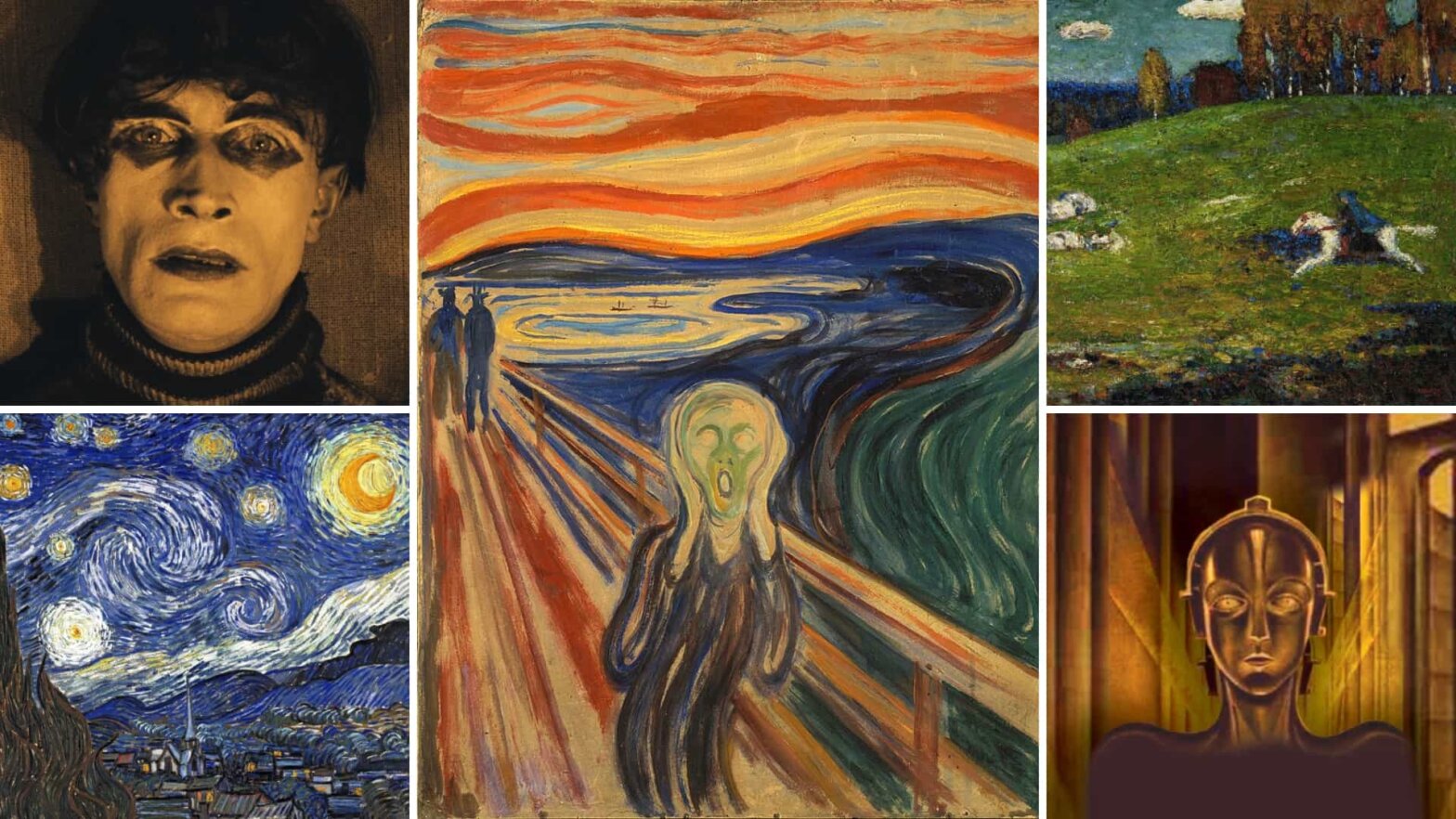
Imagine acquiring a stunning piece of art, not just for its beauty, but also as a strategic move to enhance your financial portfolio. But navigating the tax implications of art investments can feel like traversing a complex maze. Wouldn't it be wonderful if you could confidently manage your art investments while optimizing your tax situation?
Many art collectors and investors find themselves in a tricky situation. They're passionate about art, but the financial aspects, particularly taxes, can be daunting. They struggle with understanding the nuances of capital gains taxes on art sales, estate planning considerations for valuable art collections, and the potential for charitable donations of art to reduce their tax burden. This often leads to missed opportunities for tax savings and potentially costly mistakes.
The aim is to empower art collectors and investors like you with the knowledge and strategies to effectively manage the tax implications of your art investments. This includes understanding capital gains, estate planning, charitable giving, and valuation issues, allowing you to make informed decisions that align with your financial goals.
This exploration delves into the critical aspects of art investment tax planning, covering topics like capital gains implications, estate planning strategies, charitable donation opportunities, valuation challenges, and strategies for mitigating tax burdens. The objective is to provide a comprehensive understanding of the tax landscape surrounding art investments, enabling collectors to optimize their financial outcomes while enjoying their passion for art.
Understanding Capital Gains Tax on Art
Capital gains tax is often a significant consideration when selling artwork. I remember when a friend of mine, an avid art collector, sold a piece he'd held for several years. He was thrilled with the profit, but then the reality of capital gains tax set in. He hadn't factored it into his initial calculations and was quite surprised by the amount owed. That experience underscored the importance of understanding how capital gains tax applies to art sales.
Capital gains tax on art functions much like it does for other assets. If you sell a piece for more than you originally paid for it, the profit is considered a capital gain. The tax rate applied to that gain depends on how long you held the artwork. Generally, if you held the piece for more than a year, it's taxed at the long-term capital gains rate, which is typically lower than your ordinary income tax rate.
However, it's essential to remember that collectibles, including art, have a maximum long-term capital gains rate that can be higher than the rate applied to stocks or bonds. This is a critical factor to consider when estimating your potential tax liability. Also, state taxes can further complicate the picture, as some states have their own capital gains taxes. Proper planning and consultation with a tax advisor are crucial to minimize your tax burden and ensure compliance.
Estate Planning for Art Collections
Estate planning is another area where art collectors need to be particularly mindful. Your art collection is a valuable asset, and its disposition upon your passing needs careful consideration. Without proper planning, your heirs could face significant estate taxes or be forced to sell valuable pieces to cover those taxes. Estate planning for art collections goes beyond simply listing the artwork in your will. It involves strategies to minimize estate taxes, ensure the smooth transfer of ownership, and protect the collection's value for future generations. One common technique is to establish a trust to hold the art. This can provide several benefits, including asset protection and tax advantages. It's also important to have the art professionally appraised to determine its fair market value for estate tax purposes. Donating art to a museum or other charitable organization is another option that can provide both a tax deduction and the satisfaction of knowing your collection will be enjoyed by the public. Remember, estate planning is a complex process, so seeking guidance from an experienced estate planning attorney is essential to tailor a plan that meets your specific needs and goals.
The History and Myths of Art Investment
The allure of art as an investment has a long and fascinating history, filled with stories of fortunes made and lost, and plenty of myths along the way. The idea that art is a guaranteed investment with consistently high returns is a common misconception. While some pieces have indeed skyrocketed in value, the art market can be volatile, and many factors influence prices, including trends, artist reputation, and economic conditions. The notion that you need to be an art expert to invest successfully is also a myth. While knowledge is certainly helpful, it's not a prerequisite. Many successful art investors rely on the expertise of art advisors, dealers, and appraisers. The history of art investment is intertwined with the history of wealth and status. Throughout the centuries, art has been used as a store of value and a symbol of prestige. Understanding this history can provide valuable insights into the current market dynamics and help you make more informed investment decisions.
Separating fact from fiction is crucial for anyone considering art as an investment. Don't fall for the hype or rely solely on anecdotal evidence. Do your research, seek professional advice, and approach art investment with a realistic understanding of the risks and potential rewards.
Hidden Secrets of Art Investment Tax Planning
One often overlooked aspect of art investment tax planning is the potential for claiming deductions for expenses related to the upkeep and maintenance of your collection. If you can demonstrate that your art is held for investment purposes, you may be able to deduct expenses such as insurance premiums, storage costs, and appraisal fees. The key is to treat your art collection as a business, keeping detailed records of your expenses and activities. Another hidden secret lies in the timing of sales. By carefully planning when you sell artwork, you can potentially minimize your tax liability. For example, you might consider selling pieces in years when your income is lower to reduce your overall tax rate. Furthermore, exploring like-kind exchanges, although complex, can allow you to defer capital gains taxes by exchanging one artwork for another of similar value. These hidden strategies require careful planning and documentation. Consult with a tax professional who specializes in art investments to uncover all the potential tax benefits available to you.
Recommendations for Art Investment Tax Planning
My top recommendation for anyone serious about art investment is to build a strong team of advisors. This should include a qualified tax advisor, an estate planning attorney, and a reputable art appraiser. These professionals can provide invaluable guidance on tax planning, estate planning, and valuation issues. Another recommendation is to maintain meticulous records of all your art transactions, including purchase prices, sales prices, expenses, and appraisals. This documentation is essential for supporting your tax positions and can save you a lot of headaches in the event of an audit.
I also recommend staying informed about changes in tax laws and regulations that could impact your art investments. Tax laws are constantly evolving, so it's crucial to stay up-to-date on the latest developments. Finally, don't be afraid to seek a second opinion. If you're unsure about a particular tax strategy or valuation, it's always a good idea to get another perspective from a qualified professional. By following these recommendations, you can navigate the complex world of art investment tax planning with greater confidence and success.
Strategies for Minimizing Capital Gains Tax on Art Sales
One of the most effective strategies for minimizing capital gains tax on art sales is to hold your artwork for more than a year. As mentioned earlier, long-term capital gains are typically taxed at a lower rate than short-term capital gains. Another strategy is to offset capital gains with capital losses. If you have other investments that have lost value, you can sell them to generate capital losses, which can then be used to reduce your capital gains from the sale of art. Charitable donations of appreciated art can also be a powerful tax-saving tool. If you donate artwork to a qualified charitable organization, you can generally deduct the fair market value of the art from your taxable income. However, there are certain limitations and requirements that must be met, so it's important to consult with a tax advisor to ensure you're complying with the rules.
Timing your sales strategically is another way to minimize your tax burden. Consider selling artwork in years when your income is lower or when you expect to be in a lower tax bracket. Finally, explore the possibility of using a qualified opportunity fund to defer capital gains taxes. This strategy involves investing your capital gains from the sale of art into a qualified opportunity fund, which then invests in businesses and real estate in designated opportunity zones. By utilizing these strategies, you can significantly reduce the amount of capital gains tax you pay on your art sales.
Tips for Accurate Art Valuation
Accurate art valuation is crucial for both tax planning and estate planning purposes. An accurate appraisal ensures that you're paying the correct amount of capital gains tax when you sell artwork and that your estate taxes are properly calculated. One of the most important tips for accurate art valuation is to hire a qualified and experienced appraiser. Look for an appraiser who specializes in the type of art you own and who has a strong track record of providing accurate valuations.
Provide the appraiser with as much information as possible about the artwork, including its provenance, condition, and any relevant sales history. This information will help the appraiser arrive at a more accurate valuation.
Be wary of appraisals that seem too high or too low. If an appraisal seems out of line with market values, it's important to question it and potentially seek a second opinion.
Remember that art valuation is not an exact science. It's an opinion based on the appraiser's expertise and knowledge of the art market. However, by following these tips, you can increase the likelihood of obtaining an accurate valuation that will serve your needs.
The Role of Art Appraisers in Tax Planning
Art appraisers play a critical role in tax planning by providing independent and objective valuations of artwork. These valuations are used for a variety of purposes, including calculating capital gains taxes, determining the value of charitable donations, and establishing the value of artwork for estate tax purposes. A qualified art appraiser will have extensive knowledge of the art market, the factors that influence value, and the appropriate methodologies for conducting appraisals. They will also be familiar with the IRS guidelines for art valuations.
When selecting an art appraiser, it's important to choose someone who is independent and unbiased. The appraiser should not have any financial interest in the artwork being appraised, and they should be able to provide a valuation that is objective and supported by market data. The appraiser should also be able to clearly explain their valuation methodology and provide a written appraisal report that meets the IRS requirements. By working with a qualified and independent art appraiser, you can ensure that your art valuations are accurate and defensible, which is essential for effective tax planning.
Fun Facts About Art and Taxes
Did you know that the IRS has an Art Advisory Panel composed of art experts who review appraisals of artwork valued at $50,000 or more that are submitted for tax purposes? This panel helps ensure that art valuations are accurate and consistent. Another fun fact is that there have been several high-profile cases of art fraud and tax evasion involving valuable artwork. These cases highlight the importance of due diligence and accurate record-keeping when investing in art.
The value of artwork can fluctuate dramatically over time, depending on factors such as market trends, artist reputation, and economic conditions. This volatility can make art investment both exciting and risky. The art market is a global market, with buyers and sellers from all over the world. This international aspect can add complexity to tax planning, as different countries have different tax laws and regulations. Finally, art can be more than just an investment. It can also be a source of enjoyment, inspiration, and cultural enrichment. By understanding the tax implications of art ownership, you can maximize the financial benefits while also appreciating the aesthetic value of your collection.
How to Choose the Right Art for Investment and Tax Benefits
Selecting the right art for investment and tax benefits requires a careful and strategic approach. First, research different artists, styles, and periods to identify areas with growth potential. Consider working with an art advisor who can provide expert guidance and market insights. Focus on acquiring high-quality pieces with strong provenance and a proven track record of appreciation.
Before making a purchase, obtain a professional appraisal to determine the fair market value of the artwork. This will help you ensure that you're paying a reasonable price and that you have an accurate valuation for tax purposes. Document everything related to your art purchases, including invoices, appraisals, and condition reports. This documentation will be essential for supporting your tax positions. When making charitable donations of art, choose a qualified organization that aligns with your values and that can properly care for and display the artwork. By following these steps, you can choose art that not only enhances your collection but also provides potential investment and tax benefits.
What If Art Values Plummet?
What happens if the value of your art collection plummets? This is a risk that every art investor needs to consider. If you sell artwork at a loss, you can generally deduct the loss from your taxable income, up to certain limits. However, there are some restrictions on deducting losses from the sale of personal-use property, so it's important to consult with a tax advisor to determine the deductibility of your losses.
If you donate artwork to a charitable organization and the value subsequently declines, you may still be able to deduct the fair market value of the art at the time of the donation. However, you'll need to obtain a qualified appraisal to support the valuation. In some cases, you may be able to claim a casualty loss deduction if your artwork is damaged or destroyed due to a natural disaster or other unforeseen event. However, you'll need to provide documentation of the damage and the value of the loss. Remember that art investment involves risk, and there's no guarantee that your artwork will appreciate in value. Diversifying your investment portfolio and seeking professional advice can help you mitigate these risks.
Listicle: 5 Key Tax Planning Strategies for Art Collectors
1. Understand Capital Gains Taxes: Be aware of the capital gains tax rates that apply to art sales and plan accordingly.
- Explore Charitable Donations: Consider donating appreciated artwork to qualified charities for potential tax deductions.
- Utilize Estate Planning Tools: Incorporate your art collection into your estate plan to minimize estate taxes and ensure a smooth transfer of ownership.
- Maintain Accurate Records: Keep meticulous records of all your art transactions, including purchase prices, sales prices, expenses, and appraisals.
- Seek Professional Advice: Consult with a qualified tax advisor, estate planning attorney, and art appraiser to develop a comprehensive tax plan.
Question and Answer
Q: What is the maximum long-term capital gains tax rate on collectibles, including art?
A: The maximum long-term capital gains tax rate on collectibles is generally higher than the rate applied to stocks or bonds. It's important to check the current tax laws for the specific rate.
Q: Can I deduct the cost of insuring my art collection?
A: If you can demonstrate that your art is held for investment purposes, you may be able to deduct the cost of insurance premiums.
Q: How do I determine the fair market value of my artwork for tax purposes?
A: You'll need to obtain a qualified appraisal from a reputable art appraiser.
Q: What are the benefits of donating art to a museum?
A: Donating art to a museum can provide a tax deduction and the satisfaction of knowing your collection will be enjoyed by the public.
Conclusion of Art Investment Tax Planning: Collectible Art Strategy
Navigating the world of art investment requires more than just an appreciation for aesthetics; it demands a strategic approach to tax planning. By understanding the nuances of capital gains, estate planning, charitable giving, and valuation issues, collectors can make informed decisions that align with their financial goals. The information presented here serves as a starting point, emphasizing the importance of seeking professional guidance and staying informed about changes in tax laws. With careful planning and expert advice, you can confidently manage your art investments while optimizing your tax situation, ensuring that your passion for art remains both fulfilling and financially sound.
Post a Comment